


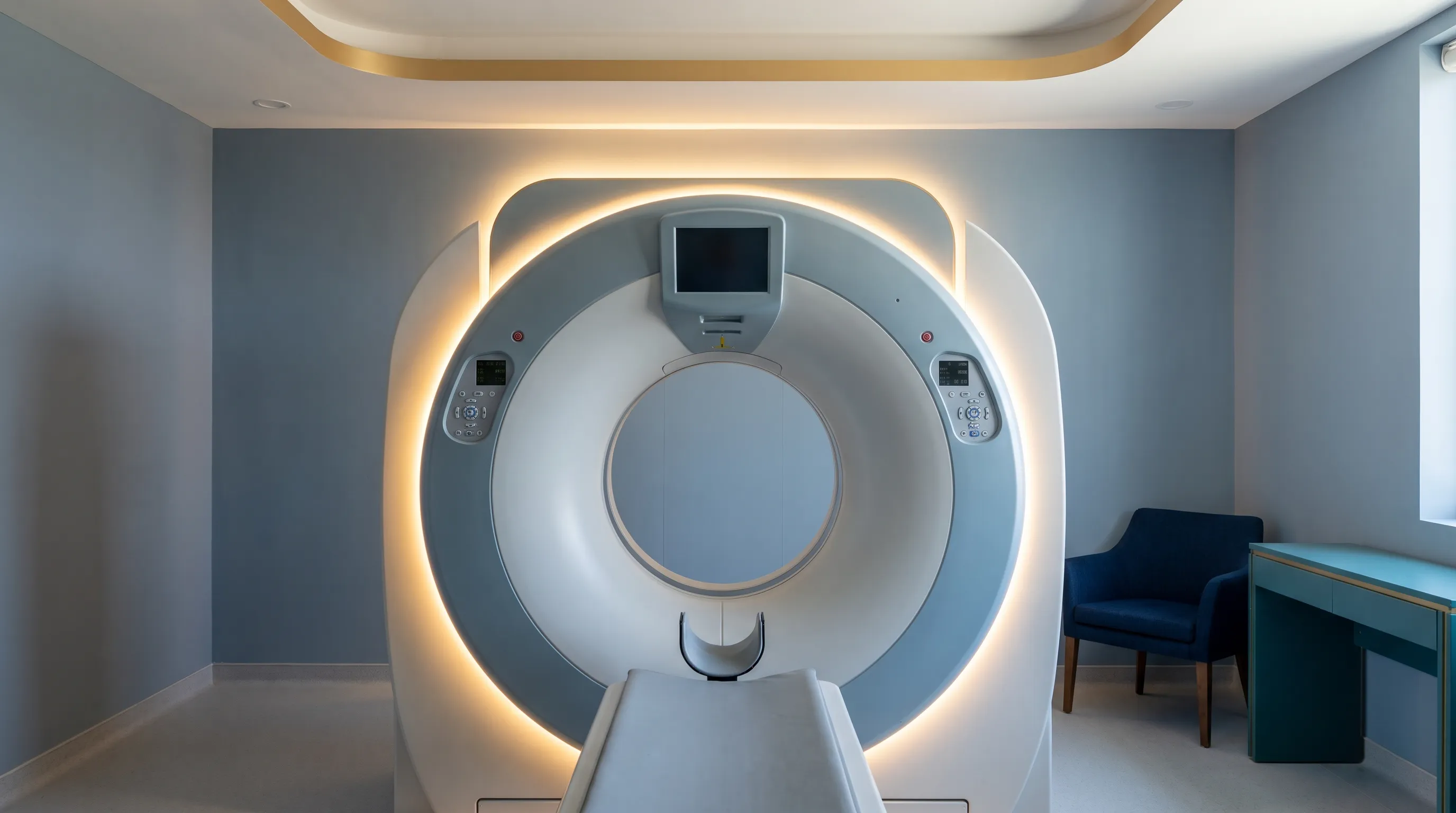
The Truth About Radiation Risks in X-Rays
Are X-rays really dangerous? Debunking myths and comparing medical radiation doses to natural background radiation.
3 min readWhen a doctor orders an X-ray or a CT scan, many patients feel anxious at the word "radiation" and imagine major cancer risks. This fear often stems from a lack of accurate information.
In the Radiology department, your safety comes first. It is very important to understand the risk-to-benefit ratio of diagnostic imaging.
We are exposed to radiation daily!
Did you know you are exposed to natural cosmic and terrestrial radiation from the sun and soil every day? This is called "background radiation." The radiation dose you receive from a standard chest X-ray is equivalent to what you absorb from the natural environment in just a few days. It is a very tiny dose and nothing to worry about.
The Benefit vs. Risk Principle
In medicine, an X-ray is only requested if the benefit (diagnosing a fracture, pneumonia, tumors) vastly outweighs any potential risk. A misdiagnosis due to avoiding an X-ray could be fatal, while the risk from a single X-ray is practically zero.
How do we protect you in the Radiology Department?
- We use modern digital X-ray machines that reduce radiation by up to 80%
- We follow the ALARA principle: As Low As Reasonably Achievable to get an accurate diagnosis
- We use lead shields to cover sensitive body parts not being imaged
- Radiology technicians are trained to calculate exact doses based on patient weight and age
- Regular maintenance of machines to ensure no radiation leakage
When should you inform your doctor?
- If you are pregnant or suspect you might be (even in the early weeks)
- If you have had multiple CT scans within a short period of time
- Keep an electronic record of all your X-rays to prevent unnecessary repetition
FAQ
Are panoramic dental X-rays dangerous?
The radiation dose for dental X-rays is exceptionally low. Flying in a commercial plane for a few hours exposes you to more cosmic radiation than a dental X-ray.
Does radiation stay in my body after the exam?
No. X-rays are light energy that passes through the body to take the picture and disappears the moment the machine turns off. No radiation remains in your body or clothes.
Diagnosis starts with a clear image
Book your imaging appointment and results reach your treating doctor quickly.